Navigating Family Conversations Around the Holidays
- Eitan Zecher, Ph.D.

- Dec 17, 2025
- 3 min read
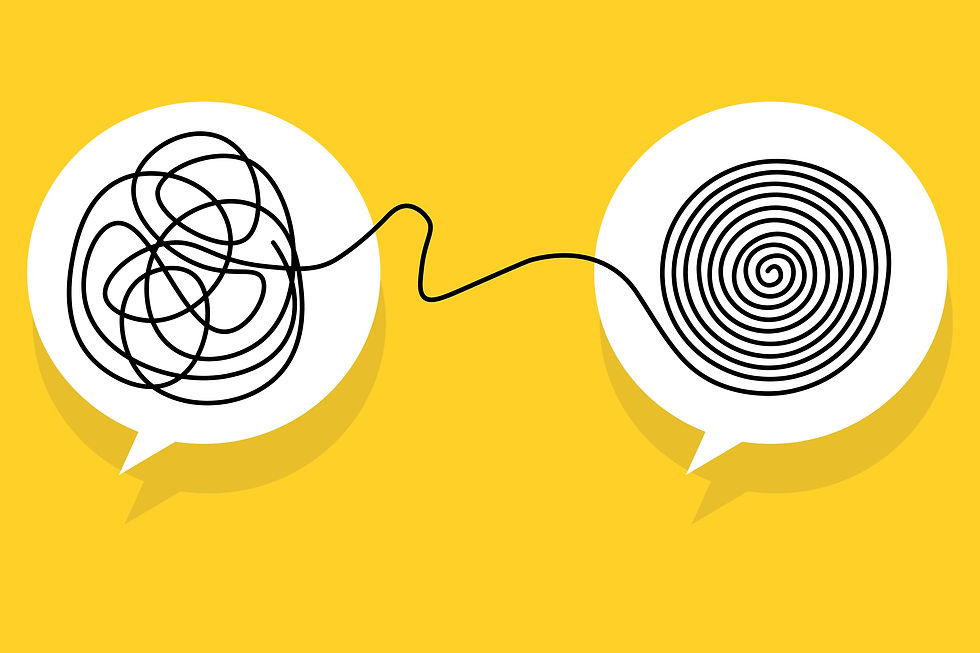
The holidays can bring joy, connection, and celebration—but also stress, tension, and conflict. Between family gatherings, travel logistics, and differing traditions, even strong relationships can feel strained. One partner may crave a quiet celebration while the other wants to be surrounded by extended family. Or maybe the annual in-law visit brings more anxiety than excitement. Without healthy communication, these moments can lead to painful arguments that linger long after the holidays end.
Why Holiday Conversations Matter for Couples
How couples handle family and holiday communication isn’t just about scheduling plans—it’s a window into how they handle emotional differences and stress together. According to Dr. John Gottman, one of the leading researchers in relationship psychology, four communication patterns predict relationship breakdown. He calls them The Four Horsemen of the Apocalypse: Criticism, Defensiveness, Contempt, and Stonewalling.
These patterns often appear during emotionally charged topics—like where to spend the holidays or how to navigate tricky family dynamics. The good news? Each “horseman” has an antidote—a healthier way to connect, understand, and stay on the same team.
Criticism → Gentle Start-Up
What it looks like: Criticism attacks your partner’s character instead of focusing on the issue. During the holidays, it might sound like:
“You’re so selfish—you never think about my family.”
“You always make the holidays about your mom.”
Why it’s harmful: Criticism triggers defensiveness and erodes emotional safety. It focuses on blame instead of understanding.
What to do instead: Use a gentle start-up—a Gottman technique that begins with feelings and needs, not accusations. Try saying:
“I feel hurt when I think about not seeing my family this year. Can we talk about how to make it work for both of us?”
This approach shifts the tone from attack to collaboration—helping you both stay allies instead of adversaries.
Defensiveness → Taking Responsibility
What it looks like: Defensiveness is a reflex to feeling accused. It sounds like:
“That’s not true—I’m the one who always makes the plans!”
“Well, if your family weren’t so difficult, we wouldn’t have this problem."
Why it’s harmful: It blocks empathy and escalates the conflict into a blame game.
What to do instead: Take responsibility for even a small part of the issue. Try saying:
“You’re right, I did get frustrated last year when we stayed with your parents. I want this year to feel better for both of us.”
This small act of accountability lowers defenses and invites teamwork.
Contempt → Building Appreciation
What it looks like: Contempt communicates disgust or superiority. It might include sarcasm, eye-rolling, or ridicule:
“Wow, you’re being absolutely ridiculous.”
“Your family is so immature—no wonder you act like this around them.”
Why it’s harmful: Contempt is the single greatest predictor of divorce. It signals disrespect and erodes trust.
What to do instead: Build a culture of appreciation year-round by noticing and verbalizing appreciation. We optimize the building of this culture of appreciation through describing our observations and needs. During tense discussions, you might say:
“I appreciate that you’re trying to make this work for both of our families.”“Thanks for being patient while we figure this out—I know it’s not easy.”
Regular appreciation acts like emotional insulation—it protects your relationship when stress rises.
Stonewalling → Self-Soothing Breaks
What it looks like: Stonewalling happens when one partner emotionally shuts down. It might sound like silence, short responses, or “I can’t do this right now.”
Why it’s harmful: It’s usually a sign of emotional and physiological flooding, not disinterest—but it leaves the other partner feeling rejected.
What to do instead: Take a 20-minute break to self-soothe and calm your nervous system before returning to the conversation. Try saying:
“I’m feeling overwhelmed and don’t want to say something I’ll regret. Can we take a short break and come back in half an hour?”
Then use that time to regulate, not ruminate—go for a walk, breathe deeply, or listen to calming music.
Bringing It All Together: How to Protect Your Relationship This Holiday
Holiday stress is inevitable—but relationship disconnection doesn’t have to be. When you notice the Four Horsemen creeping into your family conversations, pause and choose their antidotes instead:
Start gently rather than criticize.
Take responsibility instead of defending.
Express appreciation instead of contempt.
Take a break instead of shutting down.
Approach each holiday conversation as a chance to strengthen your bond. Remember, you and your partner are on the same team—navigating not just the season, but the life you’re building together.
Navigating Family Conversations Around the Holidays


Comments